Introduction to Autonomous AI Agents in the Enterprise
The landscape of enterprise automation is undergoing a seismic transformation. Traditional rule-based systems are giving way to intelligent, autonomous agents capable of reasoning, adapting, and executing complex workflows with minimal human intervention. Organizations across industries are recognizing that the next frontier of productivity lies not in simply automating tasks, but in deploying AI agents that can think, decide, and act independently.
Autonomous AI agents represent a paradigm shift from conventional automation. While traditional robotic process automation (RPA) follows predefined scripts, AI agents leverage large language models (LLMs) to understand context, learn from interactions, and make intelligent decisions. This capability opens unprecedented possibilities for enterprise automation, from customer service operations to complex data analysis and strategic planning.
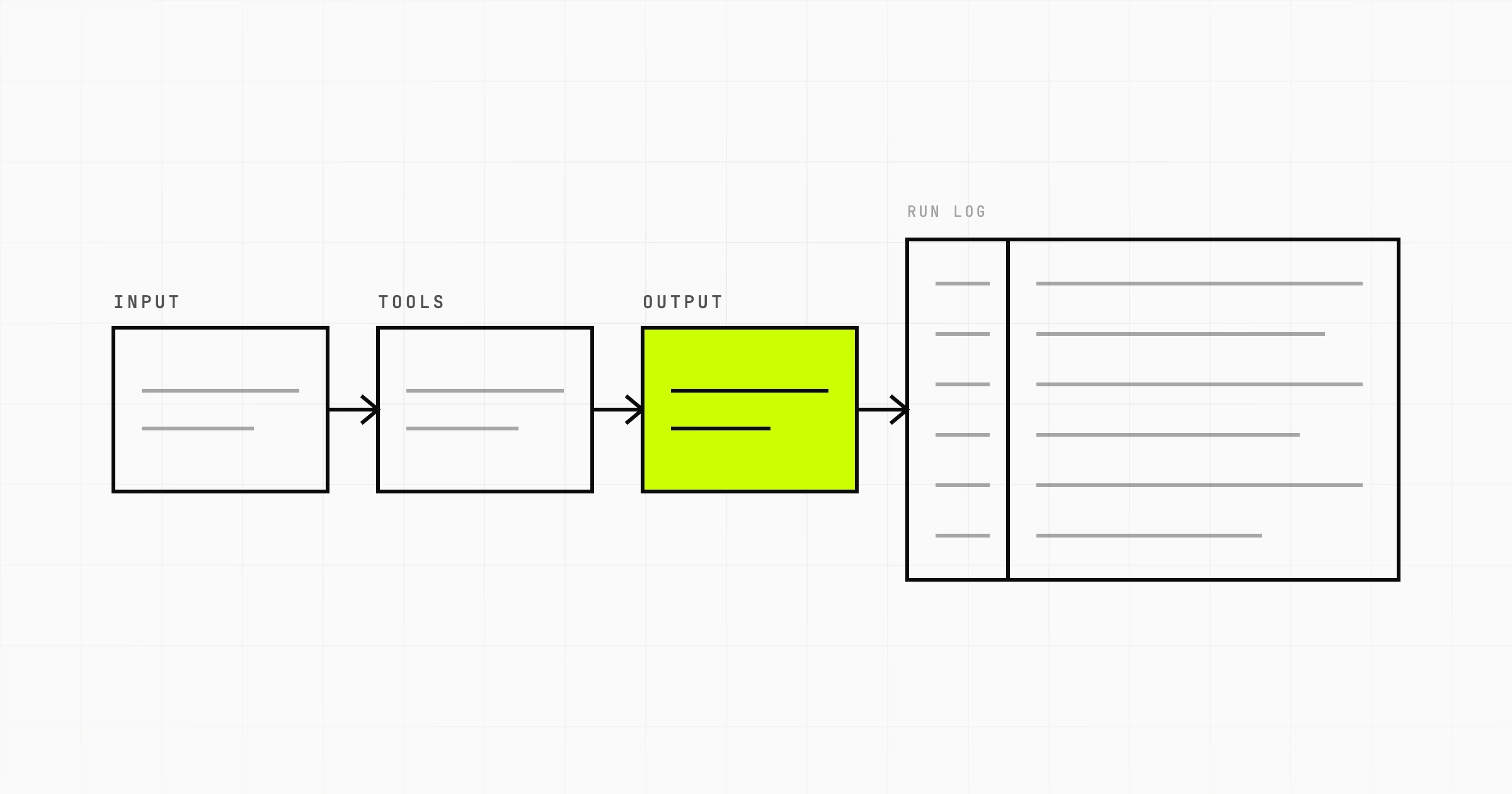
Production agents need auth, audit, evaluation and integration — that's AI agentic development.
In this comprehensive guide, we will explore how to build autonomous AI agents using Claude API and LangChain—two powerful technologies that, when combined, enable organizations to create sophisticated, production-ready agents for enterprise automation. Whether you're a CTO evaluating AI strategies or a development team architecting next-generation automation solutions, this guide provides the technical foundation and practical insights needed to succeed.
Understanding Claude API and Its Enterprise Capabilities
Claude API, developed by Anthropic, represents a new generation of AI assistants designed specifically for enterprise applications. Unlike consumer-focused AI tools, Claude API offers features critical for business environments: robust security, compliance readiness, and the advanced reasoning capabilities necessary for complex automation scenarios.
Claude's constitutional AI approach ensures that responses align with human values and organizational policies. This is particularly important for enterprise applications where AI agents must operate within strict regulatory frameworks and ethical guidelines. The API provides multiple model variants, allowing organizations to balance performance requirements with cost considerations.
Key capabilities of Claude API for enterprise agent development include:
Extended Context Windows: Modern Claude models support extensive context windows, enabling agents to process large documents, maintain conversation history over extended periods, and handle complex multi-step reasoning tasks without losing context.
Tool Use Functionality: Claude API's tool use capability allows agents to interact with external systems, execute code, access databases, and perform actions beyond text generation. This is the foundation for building truly autonomous agents that can operate across your enterprise technology stack.
Structured Output Generation: Enterprise applications require structured, predictable outputs. Claude API can generate JSON, XML, and other structured formats that integrate seamlessly with existing systems and workflows.
Enterprise-Grade Security: With SOC 2 compliance, data encryption, and privacy controls, Claude API meets the security requirements that enterprises demand for handling sensitive business data.
LangChain: The Framework for Building LLM-Powered Applications
LangChain has emerged as the dominant framework for building applications powered by large language models. It provides the abstraction layer and components necessary to create sophisticated AI systems that go beyond simple text generation. For enterprise automation, LangChain offers several critical advantages.
At its core, LangChain implements the agent architecture pattern—a systematic approach to building AI systems that can reason about tasks, select appropriate tools, and execute actions. This architectural pattern is essential for creating autonomous agents capable of handling the complexity of real-world enterprise workflows.
LangChain's component architecture includes:
Chains: Sequential arrangements of language model calls and processing steps. Chains enable you to define structured workflows where output from one step becomes input for the next, creating predictable, auditable automation sequences.
Agents: Dynamic runtime systems that determine which actions to take based on user input and available tools. LangChain supports various agent types, from simple react agents to more sophisticated planning agents that can break complex tasks into manageable steps.
Memory: Persistent state management that allows agents to maintain context across conversations and sessions. This is crucial for enterprise applications where agents must remember previous interactions and build on prior work.
Tools and Toolkits: Pre-built integrations with external systems, including web search, database queries, API calls, and file operations. LangChain's tool ecosystem enables agents to interact with virtually any enterprise system.
Retrievers: Components for accessing and organizing domain-specific knowledge. For enterprise applications, retrievers allow agents to query your internal documentation, knowledge bases, and data stores.
Architecture of Autonomous AI Agents
Building effective autonomous agents requires a clear understanding of their architecture. An autonomous AI agent consists of several interconnected components that work together to perceive, reason, and act.
The Perception Layer: This component gathers information from the environment—user requests, system events, external data sources, and feedback loops. In enterprise contexts, perception involves parsing emails, processing form submissions, monitoring system logs, and receiving API calls.
The Reasoning Engine: Powered by Claude API, the reasoning engine analyzes inputs, considers available tools and actions, and determines the optimal course of action. This is where the magic happens—LLMs can understand nuanced requests, apply domain knowledge, and devise solutions that weren't explicitly programmed.
The Action Execution Layer: Once reasoning determines an appropriate action, this layer executes it. Actions might include generating responses, calling APIs, updating databases, triggering workflows, or escalating to human operators when necessary.
The Memory System: Enterprise agents must remember context across interactions. The memory system stores conversation history, learned preferences, and accumulated knowledge that informs future decisions.
The Tool Integration Layer: This connects the agent to your enterprise systems—CRM platforms, ERP systems, document repositories, communication tools, and custom applications. LangChain's extensive tool ecosystem simplifies these integrations.
We treat the surrounding product as end-to-end product development, not a separate science project.
Building Your First Autonomous Agent with Claude and LangChain
Now let's explore the practical implementation. We'll walk through building an autonomous agent capable of handling enterprise document processing—a common use case with significant business value.
Step 1: Environment Setup
Begin by installing the necessary dependencies. You'll need Python, the Anthropic SDK, and LangChain packages:
pip install anthropic langchain langchain-community
Step 2: Define Your Agent's Tools
Tools extend your agent's capabilities beyond text generation. Here's how to define custom tools using LangChain:
from langchain.agents import Tool


def process_document(content: str) -> str:

 # Document processing logic here

 return processed_result


def update_database(record: dict) -> str:

 # Database update logic

 return "Record updated successfully"


tools = [

 Tool(

 name="document_processor",

 func=process_document,

 description="Process and extract information from documents"
 ),

 Tool(

 name="database_updater",

 func=update_database,

 description="Update records in the enterprise database"
 )
]
Step 3: Initialize Claude as the Reasoning Engine
Configure Claude API with your credentials and define the agent's system prompt:
import os

from langchain.chat_models import ChatAnthropic


os.environ["ANTHROPIC_API_KEY"] = "your-api-key"


llm = ChatAnthropic(

 model="claude-3-5-sonnet-20241022",

 temperature=0.7,

 max_tokens=4096

)


system_message = """You are an enterprise document processing assistant.

Your role is to analyze incoming documents, extract relevant information,

and route processed data to appropriate systems. Always verify data

accuracy before updating records."""
Step 4: Construct the Agent
Combine the components using LangChain's agent framework:
from langchain.agents import initialize_agent, AgentType


agent = initialize_agent(

 tools=tools,

 llm=llm,

 agent=AgentType.ZERO_SHOT_REACT_DESCRIPTION,

 verbose=True

)
Step 5: Execute Autonomous Operations
Now your agent can process requests autonomously:
response = agent.run(

 "Process the attached invoice, extract vendor details, amounts,

and update the accounts payable system with the extracted data."

)
This simplified example demonstrates the core pattern. Production agents require additional considerations around error handling, monitoring, and security that we'll explore next.
Enterprise Use Cases for Autonomous Agents
The combination of Claude API and LangChain enables agents across numerous enterprise functions. Let's examine some high-impact applications.
Use our SaaS development cost guide to budget the product shell around the models.
Customer Service Automation: Autonomous agents can handle customer inquiries end-to-end—understanding nuanced requests, accessing customer data, troubleshooting issues, and resolving problems without human intervention. Claude's strong reasoning capabilities ensure accurate, contextually appropriate responses.
Document Processing and Compliance: Enterprise operations generate massive document volumes—contracts, invoices, regulatory filings, and more. Autonomous agents can parse these documents, extract structured data, ensure compliance, and route information to appropriate systems.
IT Operations and Support: Agents can monitor systems, diagnose issues, and execute remediation steps. They can handle routine IT support tickets, escalate complex issues, and learn from resolution patterns to improve over time.
Financial Analysis and Reporting: Autonomous agents can aggregate data from multiple sources, perform analysis, identify anomalies, and generate reports. They can monitor market conditions, assess risk, and provide decision support to financial teams.
HR Process Automation: From candidate screening to onboarding, autonomous agents can handle numerous HR processes—answering employee questions, processing requests, managing documentation, and ensuring policy compliance.
Best Practices for Production-Ready Agents
Building a proof-of-concept agent is straightforward. Deploying production-ready autonomous agents requires attention to several critical factors.
Robust Error Handling: Production agents must handle failures gracefully. Implement retry logic, fallback mechanisms, and clear escalation paths when agents encounter situations they cannot resolve autonomously.
Comprehensive Logging and Monitoring: Enterprise deployments require detailed audit trails. Log all agent decisions, actions, and outcomes. Implement monitoring dashboards that provide visibility into agent performance and behavior.
Human-in-the-Loop Controls: Even the most capable agents need human oversight. Implement approval workflows for high-stakes actions, regular review cycles, and mechanisms for human intervention when needed.
Security and Access Control: Agents handle sensitive data. Implement role-based access controls, data encryption, and security audits. Ensure agents operate with minimal necessary permissions.
Continuous Evaluation and Improvement: Deploy mechanisms to measure agent performance, gather feedback, and iterate on agent capabilities. LLM-based agents benefit from ongoing refinement of prompts and tool definitions.
Scalability Architecture: Design agents for scale from the beginning. Consider load balancing, caching strategies, and the capacity to handle concurrent requests across your enterprise.
Security and Compliance Considerations
Enterprise adoption of autonomous agents demands rigorous attention to security and compliance. Several factors require careful consideration.
Data Privacy: Agents often process sensitive information. Ensure data handling complies with regulations like GDPR, CCPA, and industry-specific requirements. Implement data minimization—agents should access only information necessary for their tasks.
Model Governance: Establish policies for acceptable use, review processes, and model updates. Understand how Claude API handles data and maintain awareness of Anthropic's compliance certifications.
Audit Trails: Maintain comprehensive logs of agent actions for compliance reporting and incident investigation. These records should be immutable and retained according to regulatory requirements.
Input Validation and Sanitization: Protect agents from malicious inputs. Validate and sanitize all data entering your agent system to prevent injection attacks and ensure reliable operation.
Conclusion: The Future of Enterprise Automation
Autonomous AI agents represent a transformative capability for enterprise automation. By combining Claude API's advanced reasoning and enterprise-grade security with LangChain's flexible framework, organizations can build agents that go beyond simple automation—intelligent systems capable of reasoning, adapting, and executing complex workflows with minimal human intervention.
The organizations that successfully deploy autonomous agents will gain significant competitive advantages: faster operations, improved accuracy, enhanced customer experiences, and the ability to scale operations without proportional increases in headcount. However, success requires thoughtful implementation—attention to architecture, security, compliance, and ongoing governance.
As we move through, the capabilities of autonomous agents will continue to expand. Claude API's tool use functionality is evolving rapidly, and LangChain's ecosystem is growing with new integrations and capabilities. The time to start building is now—understanding these technologies positions your organization to lead rather than follow in the autonomous enterprise transformation.
The journey to autonomous operations begins with a single agent. Start with a well-defined use case, build iteratively, learn from deployment, and expand progressively. The future of enterprise automation is autonomous—and it's within reach today.
Building production AI agents? A Scoping Sprint ($2,300, two weeks) ends with a clickable prototype, a technical plan and a fixed quote — or just start a conversation.