Introduction to AI-Driven Development
The software development landscape is undergoing a fundamental transformation. Artificial intelligence is no longer a futuristic concept but a present-day reality reshaping how teams build, test, and deploy applications. For organizations like Sapient Code Labs, embracing AI-driven development isn't just about staying competitive—it's about delivering superior solutions to clients while maximizing team efficiency.
AI-driven development encompasses a wide range of technologies and methodologies that leverage artificial intelligence to enhance the software development lifecycle. From code generation and automated testing to intelligent project management and predictive analytics, AI tools are becoming integral to modern development workflows. However, the effectiveness of these tools depends entirely on one critical factor: your team's ability to leverage them effectively.
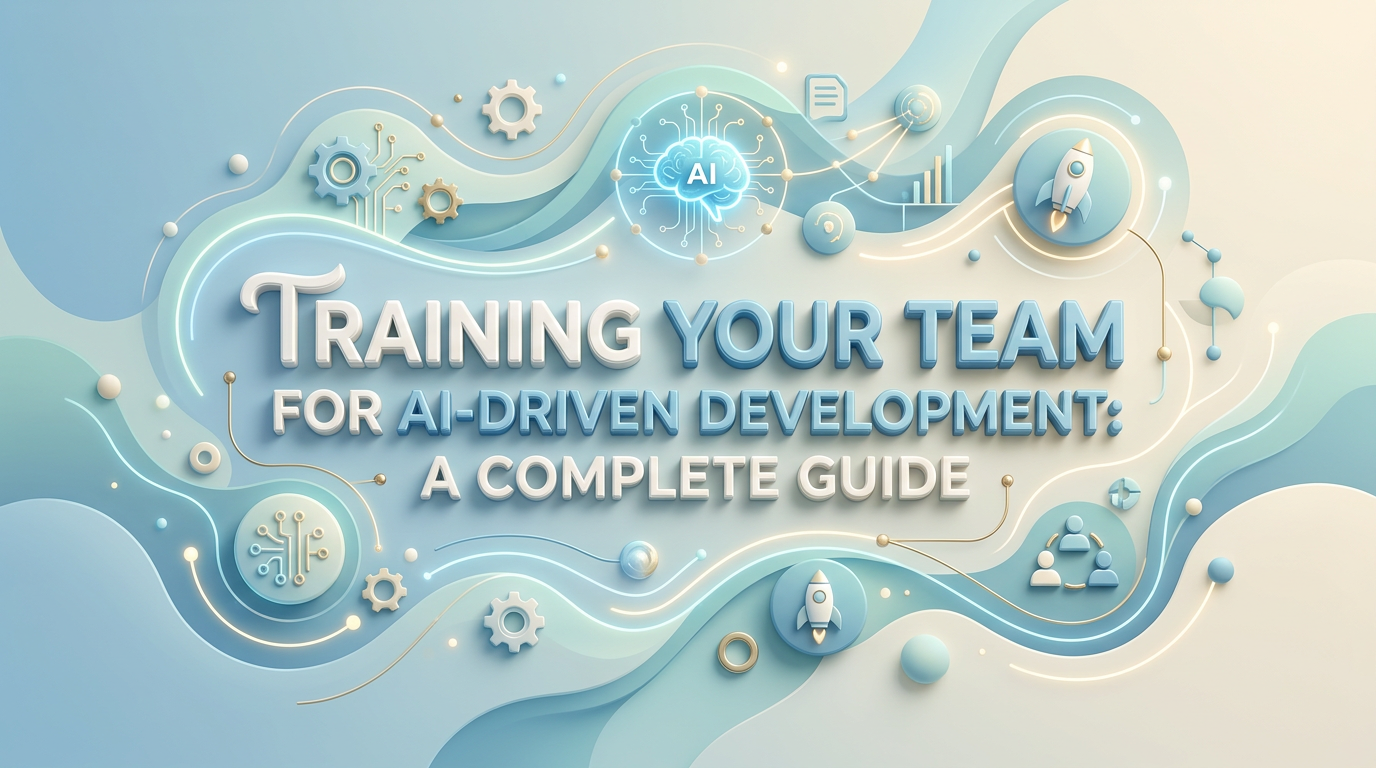
Training your development team for AI-driven development is not a one-time event but an ongoing journey that requires strategic planning, appropriate resources, and organizational commitment. This comprehensive guide explores everything you need to know about building AI competencies within your team, from understanding the fundamental shifts in development workflows to implementing practical training programs that drive real results.
Why AI Training Matters for Development Teams
The integration of AI into software development represents a significant shift in how developers approach their work. Traditional coding skills, while still essential, now represent just one component of a much broader skill set. Teams that fail to adapt risk falling behind competitors who have embraced these new technologies and methodologies.
From a business perspective, the benefits of AI-driven development are substantial. Organizations that effectively implement AI tools report significant improvements in development velocity, code quality, and overall project delivery times. However, these benefits only materialize when team members understand how to use AI tools appropriately and effectively. Without proper training, teams may underutilize available tools or, worse yet, make mistakes that introduce security vulnerabilities or quality issues.
Beyond productivity gains, AI training also plays a crucial role in talent retention and attraction. Developers increasingly expect their employers to provide opportunities for skill development and exposure to cutting-edge technologies. Organizations that invest in AI training demonstrate their commitment to employee growth, which can significantly impact recruitment and retention efforts in a competitive job market.
Core Competencies for AI-Driven Development
Before designing a training program, it's essential to understand the specific competencies your team needs to develop. AI-driven development requires a combination of technical skills, conceptual understanding, and practical application abilities.
Understanding AI Fundamentals
Developers don't need to become machine learning experts, but they should understand fundamental AI concepts. This includes understanding how large language models work, recognizing the capabilities and limitations of various AI tools, and knowing how to effectively prompt AI systems for optimal results. A solid foundation in AI fundamentals helps developers make informed decisions about when and how to use AI assistance.
Prompt Engineering Skills
The ability to effectively communicate with AI systems has become a critical skill. Prompt engineering involves crafting inputs that generate the desired outputs from AI tools. This includes understanding context windows, providing appropriate background information, and structuring requests for maximum effectiveness. Training programs should include dedicated time for developers to practice and refine their prompt engineering abilities.
Code Review and Validation
AI-generated code requires careful review before integration. Developers need strong skills in evaluating AI-generated code for correctness, security vulnerabilities, and adherence to project standards. This competency is particularly important because AI systems can sometimes generate code that appears correct but contains subtle bugs or security issues. Thorough code review skills ensure that AI assistance enhances rather than compromises code quality.
Integration and Automation
Understanding how to integrate AI tools into existing development workflows is essential for maximizing their value. This includes knowing how to connect AI systems with version control, continuous integration pipelines, and project management tools. Developers should be able to automate repetitive tasks and create efficient workflows that leverage AI capabilities throughout the development lifecycle.
Designing an Effective Training Program
Creating a successful AI training program requires careful planning and consideration of your team's existing skills, learning styles, and organizational goals. A well-designed program combines multiple learning modalities and provides ongoing support for skill development.
Assessing Current Skills
Before beginning any training initiative, assess your team's current AI competencies. This assessment should evaluate both technical skills and conceptual understanding. Tools like skills assessments, practical exercises, and one-on-one discussions can help you understand where your team stands and identify specific areas that require attention. This baseline information is invaluable for designing targeted training that addresses actual needs rather than assumed deficiencies.
Structured Learning Paths
Different team members will have different learning needs and starting points. Create structured learning paths that accommodate various skill levels and role requirements. Junior developers may need more foundational training, while senior developers might benefit from advanced topics like AI system architecture or specialized tool usage. Personalized learning paths ensure that training resources are allocated efficiently and that each team member progresses at an appropriate pace.
Hands-On Practice Sessions
Theory alone is insufficient for developing practical AI skills. Incorporate hands-on practice sessions where team members can work with actual AI tools on realistic projects. These sessions should include guided exercises followed by independent practice. Consider setting up sandbox environments where developers can experiment without risk to production systems. The goal is to build muscle memory and practical experience that translates directly to daily work.
Mentorship and Peer Learning
Pairing less experienced developers with team members who have stronger AI skills creates valuable learning opportunities. Mentorship relationships provide personalized guidance and support that formal training cannot replicate. Additionally, encourage peer learning sessions where team members share tips, tricks, and lessons learned from their AI implementation experiences. This collaborative approach builds community while accelerating skill development across the entire team.
Implementing AI Tools in Development Workflows
Training is most effective when it connects directly to actual work responsibilities. Implementing AI tools into your development workflows provides ongoing opportunities for skill application and refinement.
Starting with Low-Risk Applications
Introduce AI tools gradually, beginning with low-risk applications where mistakes have minimal consequences. Code completion, documentation generation, and test case creation are excellent starting points. These applications provide immediate value while allowing team members to build confidence and competence before moving to more complex uses like architectural decisions or security analysis.
Establishing Guidelines and Best Practices
Create clear guidelines for AI tool usage within your organization. These guidelines should address when AI assistance is appropriate, how to validate AI-generated outputs, and what types of decisions should not be delegated to AI systems. Having established best practices ensures consistency across the team and helps prevent common mistakes or misuse of AI tools.
Measuring Success and Iterating
Track the impact of AI tool adoption on your development processes. Measure metrics like development velocity, code quality indicators, and time spent on repetitive tasks. Use this data to identify what's working well and what needs adjustment. Continuous improvement based on measurable outcomes ensures that your AI implementation delivers ongoing value to your team and clients.
Overcoming Common Challenges
Implementing AI-driven development is not without obstacles. Anticipating and addressing common challenges helps ensure successful adoption and maximizes the return on your training investment.
Resistance to Change
Some team members may resist adopting AI tools, viewing them as threats to their skills or job security. Address these concerns directly by emphasizing how AI augments rather than replaces human developers. Highlight how AI handles routine tasks, freeing developers to focus on more creative and challenging work. Involve skeptical team members in the evaluation process—giving them ownership in the decision often converts resistance into advocacy.
Maintaining Quality Standards
AI-generated code can sometimes contain errors or follow non-standard patterns. Establish rigorous code review processes that specifically address AI-generated contributions. Ensure that all AI-assisted code receives thorough testing before integration. The goal is to leverage AI's benefits while maintaining the quality standards your clients expect from professional development teams.
Keeping Skills Current
AI technology evolves rapidly, and skills can become outdated quickly. Build ongoing learning into your team culture rather than treating training as a one-time event. Subscribe to industry publications, attend conferences, and encourage team members to explore new AI developments. Regular skill refreshers ensure that your team maintains proficiency as tools and best practices evolve.
Building a Culture of AI Adoption
Successful AI implementation requires more than just training—it's about building a culture that embraces continuous learning and innovation. Leadership plays a crucial role in establishing this culture.
Leading by Example
Leadership involvement demonstrates organizational commitment to AI adoption. When managers and senior developers actively use and champion AI tools, it signals that AI adoption is a priority rather than an optional initiative. Leaders should participate in training alongside their teams, share their own learning experiences, and celebrate team successes in AI implementation.
Celebrating Wins and Learning from Failures
Acknowledge achievements in AI adoption, whether it's a successful project delivery using AI assistance or a team member's innovative use of AI tools. Equally important, create a safe environment for discussing failures and lessons learned. This approach encourages experimentation while building institutional knowledge about what works and what doesn't.
Providing Ongoing Resources
Ensure that your team has access to the resources they need for continued learning. This might include subscriptions to online learning platforms, access to AI tools and environments, and time allocated specifically for skill development. When organizations invest in ongoing resources, they signal their long-term commitment to AI capability building.
The Future of AI-Driven Development
The role of AI in software development will only continue to grow. Organizations that invest in training their teams today are positioning themselves for success in an increasingly competitive landscape. As AI capabilities expand, the skills required to leverage them effectively will become even more critical.
Looking ahead, we can expect AI to play an even greater role in areas like automated refactoring, predictive maintenance, and intelligent requirement analysis. Teams that have developed strong AI competencies will be better positioned to adopt these emerging capabilities and deliver innovative solutions to their clients.
Conclusion
Training your team for AI-driven development is a strategic investment in your organization's future success. The benefits—improved productivity, enhanced code quality, better talent retention—make it a worthwhile endeavor for any forward-thinking development organization.
At Sapient Code Labs, we understand that successful AI adoption requires more than just providing tools—it requires empowering your team to use those tools effectively. By implementing comprehensive training programs, fostering a culture of continuous learning, and maintaining focus on quality outcomes, organizations can transform their development capabilities and deliver exceptional value to their clients.
The journey to AI-driven development is ongoing, but with the right training approach and organizational commitment, your team can thrive in this new era of software development. Start assessing your team's skills today, design your training program, and begin the transformation toward more efficient, AI-enhanced development practices.