Introduction: The Evolution of Customer Support
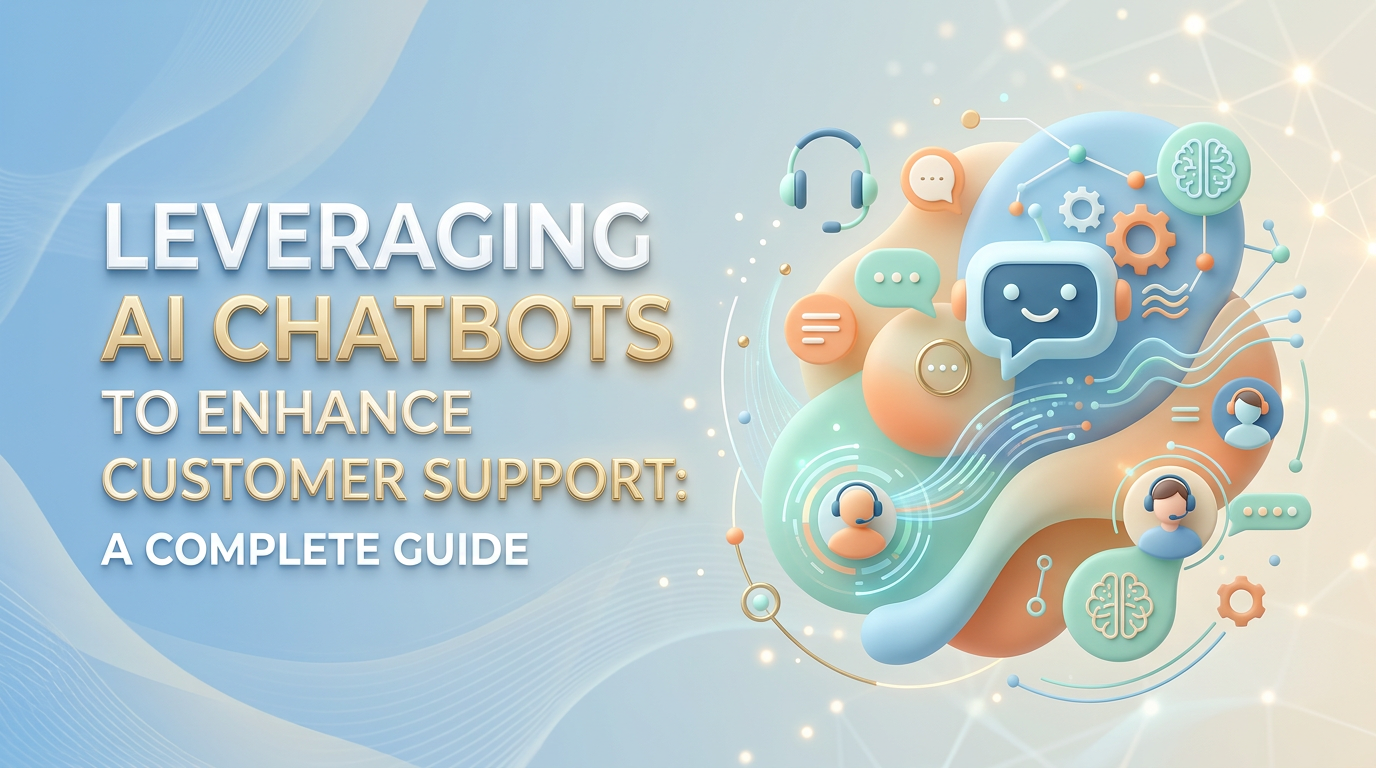
In today's fast-paced digital landscape, customers expect instant responses and seamless support experiences. Traditional customer support models, relying heavily on human agents and extended wait times, are no longer sufficient to meet these rising expectations. This is where AI chatbots have emerged as game-changing tools for businesses seeking to revolutionize their customer support operations.
Sapient Code Labs understands that implementing AI-powered chatbot solutions can dramatically transform how companies interact with their customers. By leveraging advanced natural language processing and machine learning technologies, businesses can provide 24/7 support, handle thousands of customer inquiries simultaneously, and significantly reduce operational costs while maintaining high customer satisfaction rates.
What Are AI Chatbots and How Do They Work?
AI chatbots are sophisticated software applications that use artificial intelligence to simulate human conversation. Unlike traditional rule-based chatbots that follow predetermined scripts, modern AI chatbots leverage natural language processing (NLP) to understand context, interpret user intent, and generate appropriate responses that feel natural and human-like.
These intelligent systems work by analyzing incoming messages, identifying key phrases and intent, accessing relevant information from databases, and formulating responses that address the user's specific needs. Through continuous learning mechanisms, AI chatbots improve over time, becoming more accurate and effective with each interaction.
The technology behind AI chatbots includes several key components: natural language understanding (NLU) that helps the system comprehend user input, machine learning algorithms that enable continuous improvement, dialogue management systems that maintain conversation flow, and integration capabilities that connect with existing business systems and databases.
Key Benefits of Implementing AI Chatbots
24/7 Availability and Instant Responses
One of the most significant advantages of AI chatbots is their ability to provide round-the-clock support without fatigue or breaks. Customers can receive immediate assistance regardless of the time of day or night, eliminating the frustration of waiting for business hours or dealing with overloaded phone lines.
Cost Reduction and Operational Efficiency
AI chatbots can handle a substantial portion of routine inquiries without human intervention, allowing support teams to focus on more complex issues that require human empathy and problem-solving skills. This optimization leads to significant cost savings, with businesses reporting reduction in support costs by up to 30% after implementing AI chatbot solutions.
Consistency and Accuracy
Unlike human agents who may provide varying responses based on mood or experience level, AI chatbots deliver consistent, accurate information every time. This ensures that all customers receive the same high-quality support experience and reduces the risk of misinformation.
Scalability and Volume Handling
During peak periods or marketing campaigns, AI chatbots can handle thousands of simultaneous conversations without compromising response quality. This scalability ensures that customer experience remains optimal even during high-demand periods.
Valuable Data Collection and Insights
Every interaction with an AI chatbot generates valuable data that businesses can analyze to understand customer behavior, identify common pain points, and make informed decisions about product improvements and service enhancements.
Types of AI Chatbots for Customer Support
Understanding the different types of AI chatbots helps businesses choose the right solution for their specific needs.
Support-Focused Chatbots
These chatbots are specifically designed to handle customer service inquiries, providing answers to frequently asked questions, troubleshooting common issues, and guiding users through self-service processes. They excel at reducing ticket volumes and providing instant resolutions to straightforward problems.
Conversational AI Assistants
More advanced than support-focused chatbots, conversational AI assistants can engage in complex dialogues, understand context across multiple interactions, and handle nuanced customer requests. They can seamlessly escalate to human agents when necessary and maintain conversation context during handoffs.
Hybrid Chatbot Solutions
The most effective approach for many businesses combines AI chatbots with human support, creating a seamless escalation path. These hybrid systems handle initial inquiries with AI, then smoothly transition complex issues to human agents with full conversation context, ensuring customers receive the best possible support.
Implementation Strategies for Success
Successfully implementing AI chatbots requires careful planning and execution. Here are essential strategies for maximizing your chatbot investment.
Define Clear Objectives
Before implementation, establish clear goals for your AI chatbot. Whether you aim to reduce response times, decrease support costs, improve customer satisfaction scores, or handle increased inquiry volumes, having defined objectives helps measure success and guide development priorities.
Start with High-Impact Use Cases
Begin by identifying the most common customer inquiries that can be effectively resolved through automation. FAQs, order tracking, appointment scheduling, and basic troubleshooting are ideal starting points that deliver immediate value while minimizing complexity.
Invest in Natural Language Understanding
The effectiveness of an AI chatbot largely depends on its ability to understand customer intent accurately. Working with experienced developers like those at Sapient Code Labs ensures proper training of NLP models with industry-specific terminology and common customer phrasing.
Ensure Seamless Integration
Your AI chatbot should integrate smoothly with existing systems, including CRM platforms, knowledge bases, ticketing systems, and backend databases. This integration enables the chatbot to access real-time information and provide personalized responses based on customer history.
Continuous Learning and Improvement
Implement mechanisms for collecting feedback and analyzing chatbot performance regularly. Use these insights to refine responses, expand knowledge bases, and address gaps in coverage. Machine learning algorithms should continuously improve based on real customer interactions.
Best Practices for AI Chatbot Success
Follow these best practices to ensure your AI chatbot delivers exceptional customer experiences.
Transparency is Essential
Always make it clear to customers when they are interacting with an AI bot. This transparency builds trust and prepares customers for the nature of the interaction. However, emphasize the benefits they receive, such as instant responses and 24/7 availability.
Provide Easy Escalation Paths
No matter how sophisticated your AI chatbot, some situations require human intervention. Ensure customers can easily request to speak with a human agent, and design smooth handoff processes that preserve conversation context.
Maintain Brand Voice and Personality
Your chatbot represents your brand in every interaction. Design conversations that reflect your brand personality, whether professional and formal or friendly and casual. Consistent tone across all interactions strengthens brand identity.
Prioritize Security and Privacy
Implement robust security measures to protect customer data. Ensure your chatbot complies with relevant data protection regulations and follows best practices for handling sensitive information.
Monitor Performance Metrics
Track key performance indicators including resolution rate, customer satisfaction scores, average handling time, and escalation rates. Regular monitoring helps identify areas for improvement and demonstrates ROI to stakeholders.
Overcoming Common Challenges
While AI chatbots offer tremendous benefits, businesses often encounter challenges during implementation. Understanding these challenges helps in developing effective solutions.
Understanding Complex Queries
Customers sometimes express their needs in complex or ambiguous ways. Advanced NLP training and fallback mechanisms help chatbots handle these situations gracefully, either by requesting clarification or seamlessly escalating to human agents.
Maintaining Context
Long conversations can lose context, leading to frustration. Implementing dialogue state management and context tracking ensures chatbots maintain understanding throughout extended interactions.
Handling Multiple Languages
Global businesses require multilingual support. Invest in chatbots with robust multilingual capabilities or implement language detection to route customers to appropriate language models.
Keeping Knowledge Bases Updated
Information changes rapidly in business environments. Establish processes for regularly updating chatbot knowledge bases to ensure responses remain accurate and current.
The Future of AI Chatbots in Customer Support
The evolution of AI chatbot technology continues at a rapid pace, with several exciting developments on the horizon.
Advanced Emotional Intelligence
Future chatbots will better understand and respond to customer emotions, adjusting their tone and approach based on detected sentiment. This emotional intelligence will create more empathetic and effective support interactions.
Voice-Enabled AI Assistants
Voice-based AI support is gaining momentum, with conversational voice assistants becoming increasingly sophisticated. These systems will complement text-based chatbots, providing customers with their preferred interaction method.
Hyper-Personalization
AI chatbots will leverage deeper integration with customer data to provide highly personalized experiences. Understanding customer history, preferences, and behavior patterns will enable chatbots to anticipate needs and offer proactive support.
Proactive Customer Engagement
Beyond responding to inquiries, future AI chatbots will initiate conversations based on customer behavior, offering assistance before customers even ask. This proactive approach will transform support from reactive to preventive.
Conclusion: Transforming Customer Support with AI
AI chatbots represent a fundamental shift in how businesses approach customer support. By providing instant, consistent, and scalable assistance, these intelligent systems address the core challenges of modern customer service while delivering measurable business value.
The key to successful AI chatbot implementation lies in thoughtful planning, continuous improvement, and maintaining the right balance between automation and human touch. When executed properly, AI chatbots become invaluable assets that enhance customer satisfaction, reduce operational costs, and free human agents to focus on high-value interactions that require empathy and complex problem-solving.
As AI technology continues to advance, the capabilities of customer support chatbots will only expand, offering even more sophisticated ways to deliver exceptional customer experiences. Businesses that embrace these technologies now position themselves at the forefront of customer service innovation, ready to meet the evolving expectations of modern consumers.
At Sapient Code Labs, we specialize in developing custom AI chatbot solutions tailored to your specific business requirements. Our team combines technical expertise with deep understanding of customer experience best practices to deliver chatbot implementations that drive real results. Contact us today to explore how AI chatbots can transform your customer support operations.